

01
Erectile Dysfunction (ED) स्तंभन दोष
Difficulty achieving or maintaining an erection can affect sexual confidence and intimacy…


Confidential and personalized Ayurvedic care for Men’s Sexual Health, Reproductive Health, Intimate Health and Related Concerns. Dr. Roy, provides Trusted Consultation, Personalized Guidance and Ayurvedic Treatment in a Private and Supportive Environment at our Kanpur Clinic.
पुरुषों की Sexual, Reproductive और Intimate Health से जुड़ी समस्याओं के लिए गोपनीय, व्यक्तिगत और भरोसेमंद Ayurvedic Care एवं Treatment — डॉक्टर रॉय – भारत के नंबर 1 एवं कानपुर के मोस्ट फेमस एंड विश्वसनीय गुप्त रोग विशेषज्ञ के मार्गदर्शन में कानपुर क्लीनिंक पर अपनी समस्या के अनुसार सही गाइडेंस और काउंसलिंग प्राप्त करें।
Difficulty achieving or maintaining an erection can affect sexual confidence and intimacy…
Ejaculation that happens sooner than desired may affect satisfaction, confidence and relationships…
Reduced sexual interest or desire can be linked to stress, lifestyle and other health concerns…
Sexual weakness may involve reduced performance, confidence or satisfaction during intimate relationships…
Difficulty conceiving may be associated with sperm health, reproductive factors or other concerns…
A lower-than-normal sperm count can affect fertility and may require appropriate evaluation and guidance…
Reduced sperm movement can affect fertility and may be assessed as part of a male fertility evaluation…
Nightfall, also called nocturnal emission, refers to involuntary ejaculation during sleep and may become a concern when it occurs frequently or causes distress…
Dhat Rog, also known as Dhat syndrome or spermatorrhea, involves concerns about semen discharge and may be associated with anxiety or distress…
Personalized guidance can help address this concern with practical support, clear communication and confidential consultation…
Personalized guidance can help address this concern with practical support, clear communication and confidential consultation…
Personalized guidance can help address this concern with practical support, clear communication and confidential consultation…
Personalized guidance can help address this concern with practical support, clear communication and confidential consultation…
Difficulty retracting the foreskin may cause discomfort, hygiene concerns or problems during intimacy…
Genital infections may cause itching, irritation, discharge, sores or discomfort and need proper evaluation…
Syphilis is a sexually transmitted infection that can progress without timely testing and appropriate treatment…
Gonorrhea may cause discharge, burning or discomfort and should be assessed with appropriate testing and care…
Chlamydia can occur with few or no symptoms and may affect reproductive health without appropriate treatment…
Prostatitis may involve pelvic discomfort, urinary symptoms or painful ejaculation and needs proper evaluation…
Pain during ejaculation can have several possible causes and may need a focused sexual health evaluation…
A noticeable bend or curvature of the penis may affect comfort, confidence or sexual function…
Testosterone-related concerns may affect energy, sexual desire and reproductive health and require evaluation…
Concerns about sexual performance can affect confidence and intimacy and may benefit from personalized guidance…
A fertility evaluation helps assess relevant reproductive factors when conception is taking longer than expected…
Private counseling can help address sexual health concerns with clear guidance and supportive consultation…
STD screening can help identify sexually transmitted infections early and support appropriate evaluation, guidance and care when needed…
A pre-marital health check-up can help couples understand important health considerations and seek appropriate professional guidance…
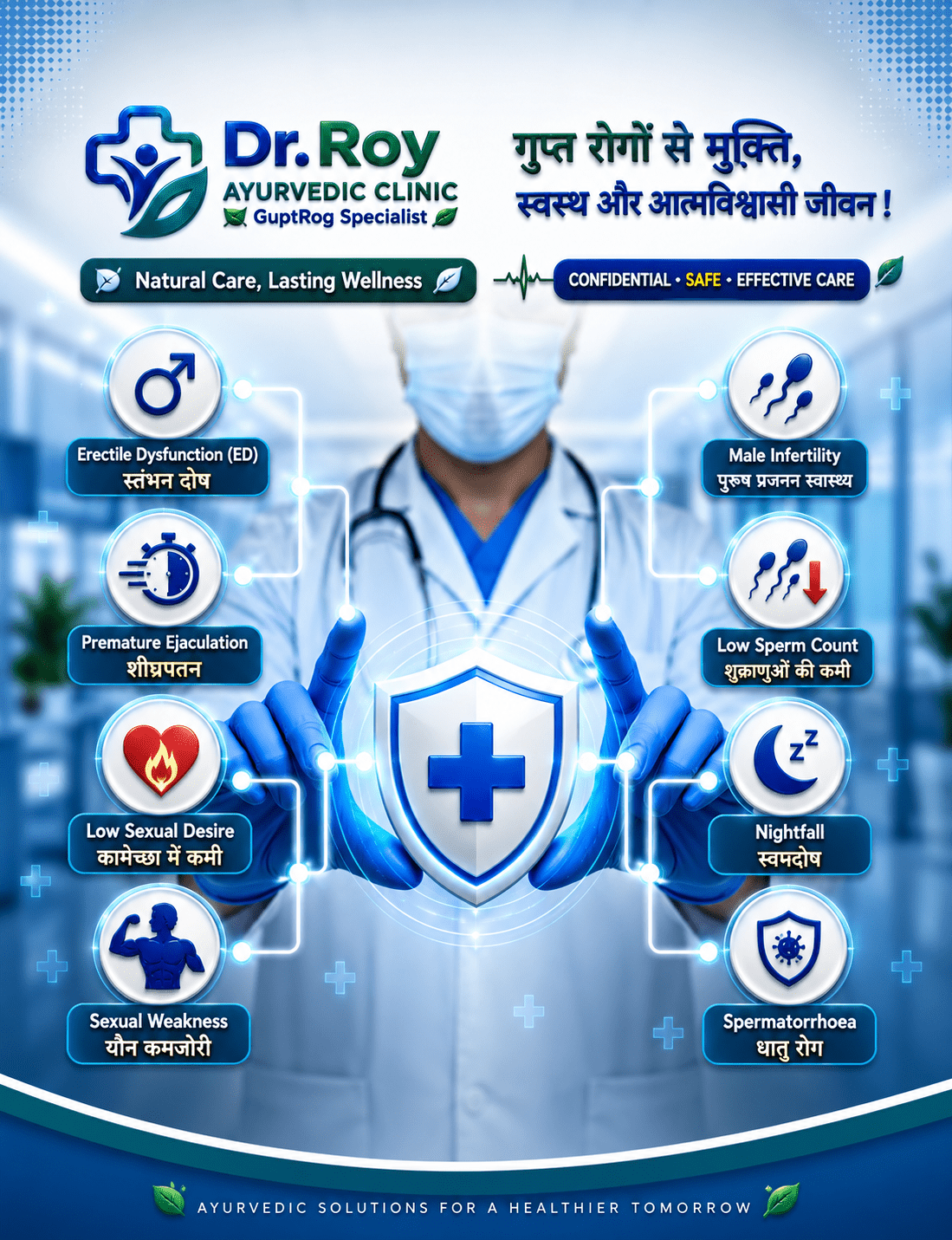
Dr. Roy Ayurvedic Clinic provides personalized and confidential care for sexual health, sexology, men’s health, fertility and related concerns.
We understand that intimate health concerns can sometimes be difficult to discuss. Our approach focuses on respectful consultation, careful understanding of your concerns and personalized guidance based on your individual needs.
From concerns related to sexual performance, erectile dysfunction, premature ejaculation and low sexual desire to male fertility, sperm-related concerns and selected STI/STD-related conditions, every consultation is handled with privacy, dignity and professional care.
Our approach combines personalized clinical guidance with an Ayurvedic perspective, with care planned according to the individual’s concerns and consultation needs.
Dr. Roy Ayurvedic Clinic provides confidential and personalized Ayurvedic care for men and women experiencing sexual and reproductive health concerns. Our approach begins with understanding your concerns, health history and individual needs before recommending appropriate care.
Sexual health concerns can affect confidence, relationships and overall quality of life. At Dr. Roy Ayurvedic Clinic, patients are encouraged to discuss their concerns openly in a private, respectful and confidential environment.
Depending on the individual’s condition and clinical assessment, appropriate Ayurvedic therapies, lifestyle guidance and follow-up care may be recommended.
Recognitions, certifications and professional standards

Discuss your concerns privately and comfortably with Dr. Roy.

A respectful consultation environment where you can discuss sensitive sexual-health concerns comfortably, privately and without hesitation.
Discuss sensitive sexual-health concerns in a respectful and confidential consultation environment.
Your concerns, symptoms and needs are considered individually to help guide an appropriate care approach.
Support for common sexual-health concerns including ED, sexual weakness, premature ejaculation and related problems.
Guidance for male fertility concerns, sperm-related problems and other reproductive-health concerns.
Feel comfortable speaking openly about concerns that may be difficult to discuss elsewhere.
Get professional guidance through an easy appointment process designed around your privacy and convenience.
Patient feedback helps us continue improving the consultation experience with privacy, professionalism and personal attention.

If you have visited Dr. Roy Ayurvedic Clinic, you can share your genuine experience on Google. Your feedback helps other patients understand the consultation experience.

Your comfort and privacy remain an important part of the consultation experience.
Dr. Roy Ayurvedic Clinic
A comfortable environment where patients can discuss their concerns respectfully.

Consultation focused on understanding individual concerns and health needs.

Privacy-conscious consultation designed around patient comfort.
Real conversations. Real concerns. Personalised Ayurvedic sexual-health guidance.
Discuss your sexual-health concerns privately and comfortably. Choose an appointment or online consultation according to your convenience.
Explore helpful articles, sexual health information, Ayurvedic wellness tips and practical guidance from Dr. Roy Ayurvedic Clinic.
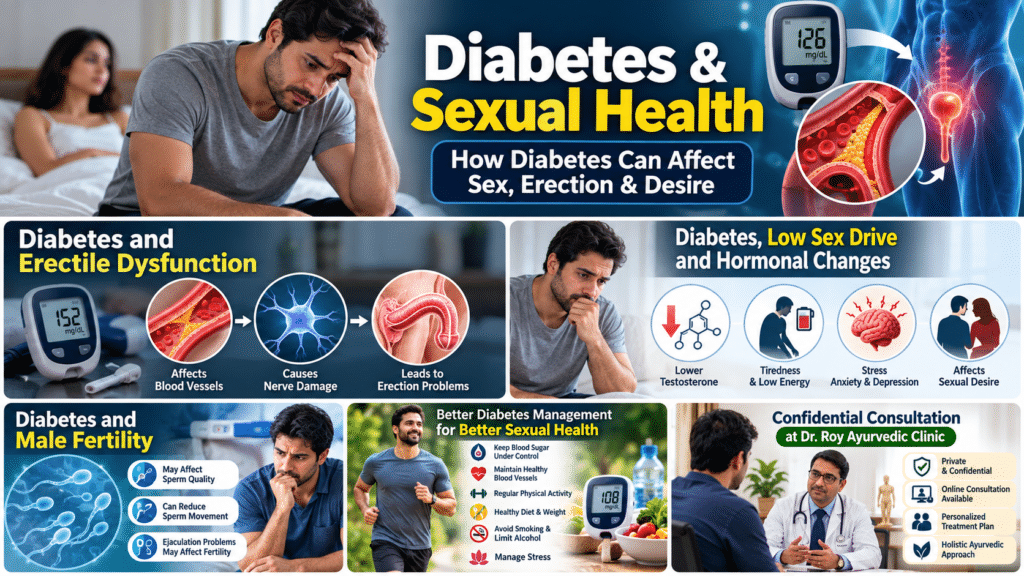
Diabetes and sexual health are closely connected. Diabetes is not only a condition that affects blood sugar. Over time, diabetes can also affect blood vessels, nerves, hormones and overall health, which may influence sexual function in men. Some men with diabetes may experience erectile dysfunction, difficulty maintaining an erection, reduced sexual desire, ejaculation problems or fertility-related concerns. These problems can develop because of diabetes itself or because of other health and lifestyle factors that commonly occur along with diabetes. Sexual problems can be uncomfortable to discuss, but they are medical concerns and should not be ignored. Persistent changes in sexual function may sometimes indicate problems with blood vessels, nerves, hormones or other aspects of health. Understanding diabetes and sexual health can help men recognize possible warning signs and seek appropriate medical advice when needed. What Is the Connection Between Diabetes and Sexual Health? Diabetes can affect different systems of the body that are involved in normal sexual function. A healthy sexual response involves adequate blood circulation, functioning nerves, appropriate hormone levels and psychological wellbeing. Diabetes can affect one or more of these areas, particularly when blood glucose remains high for a long period. According to the National Institute of Diabetes and Digestive and Kidney Diseases (NIDDK), diabetes can contribute to sexual and bladder problems in men, including erectile dysfunction and ejaculation-related problems. Common sexual concerns that may occur in men with diabetes include: However, diabetes is not always the only cause. High blood pressure, high cholesterol, obesity, smoking, certain medicines, stress and other health conditions can also affect sexual function. This is why diabetes and sexual health should be considered together when a man develops persistent sexual problems. How Does Diabetes Affect Sex? Diabetes may affect sexual function through several physical and psychological pathways. 1. Diabetes and Nerve Damage Nerves play an important role in sexual arousal, erection and ejaculation. Long-term diabetes can cause diabetic neuropathy, a type of nerve damage that may interfere with normal nerve signals. If the nerves involved in sexual function are affected, communication between the brain and sexual organs may not work normally. As a result, some men may experience: Nerve problems are one important reason why diabetes and sexual health can become connected over time. 2. Reduced Blood Flow Adequate blood flow is essential for an erection. Diabetes can contribute to changes in blood vessels, especially when blood glucose remains poorly controlled for a long time. Problems with blood vessel function may reduce the ability of the penis to receive and maintain sufficient blood flow during sexual arousal. This can contribute to erectile dysfunction. Because blood vessel health is important for both cardiovascular health and erections, recurring erection problems should not simply be dismissed as a normal part of aging. 3. Hormonal Changes Hormones can also influence sexual desire and function. Some men with diabetes, particularly men who are overweight or have other metabolic health problems, may have lower testosterone levels. Low testosterone can be associated with symptoms such as: However, low sexual desire does not automatically mean that testosterone is low. Stress, relationship concerns, depression, medicines, poor sleep and other health conditions can also reduce sexual desire. A healthcare professional can determine whether hormone testing is appropriate. 4. Psychological and Emotional Factors Physical health is only one part of diabetes and sexual health. Living with diabetes can sometimes create stress about health, medicines, blood sugar levels or future complications. Repeated sexual difficulties may also cause embarrassment, frustration or performance anxiety. For example, a man who experiences erection difficulty once may become worried that it will happen again. That worry can itself interfere with sexual arousal and confidence. Relationship difficulties and emotional stress can also affect sexual desire and sexual performance. Diabetes and Erectile Dysfunction Erectile dysfunction, commonly called ED, means having difficulty getting or keeping an erection firm enough for satisfactory sexual activity. Diabetes is a recognized risk factor for erectile dysfunction. NIDDK reports that men with diabetes are more than three times as likely to develop ED compared with men without diabetes, and ED can occur earlier in men with diabetes. The relationship between diabetes and erectile dysfunction may involve several factors, including: Erectile dysfunction should therefore not automatically be blamed on diabetes alone. A proper evaluation can help determine whether diabetes, cardiovascular health, hormones, medicines, psychological factors or another condition may be contributing. What Are the Symptoms of Diabetes-Related Erectile Dysfunction? The symptoms may vary from one person to another. Common signs include: Having erection difficulty occasionally does not necessarily mean that a person has erectile dysfunction. However, if the problem occurs repeatedly or is becoming more frequent, medical evaluation can be useful. Men who have diabetes and notice new erection problems should discuss them with a healthcare professional rather than assuming that nothing can be done. Can Diabetes Cause Low Sex Drive? Diabetes can be associated with reduced sexual desire, but low sex drive can have many different causes. Possible contributing factors include: Therefore, diabetes and sexual health involve much more than erection problems. If a man notices a persistent reduction in sexual desire, it is useful to look at the overall health picture rather than assuming that diabetes is automatically responsible. Diabetes and Ejaculation Problems Diabetes can also affect ejaculation. Nerve damage may interfere with the normal processes involved in ejaculation. In some men, diabetes may contribute to retrograde ejaculation. Retrograde ejaculation occurs when semen enters the bladder instead of coming out normally through the penis during ejaculation. Possible symptoms may include: Ejaculation problems can have multiple causes, so proper evaluation is important. This is another area where understanding diabetes and sexual health can help men recognize that sexual symptoms may sometimes be related to an underlying medical condition. Can Diabetes Affect Male Fertility? Diabetes may also be associated with male fertility concerns. Research has identified possible sperm-related problems in some men with diabetes. Diabetes-related nerve problems and retrograde ejaculation may also interfere with normal reproduction. However, fertility is complex and cannot be assessed from diabetes status alone.
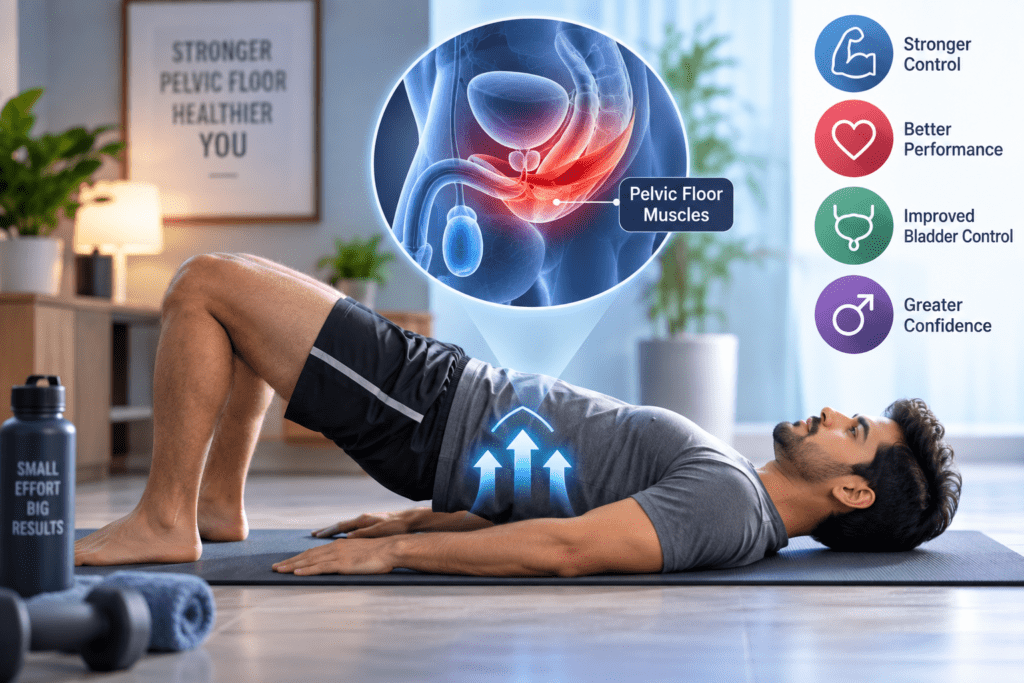
Kegel exercises are simple pelvic floor exercises that men can do at home without any special equipment. These exercises help strengthen the muscles at the bottom of the pelvis, which play an important role in bladder control, bowel control, erections and ejaculation. Many men know about Kegel exercises but are not sure how to do them correctly or whether they can really help with sexual health. The important thing to understand is that Kegel exercises are not a quick fix or a guaranteed treatment for every sexual problem. They are exercises designed to strengthen and improve control of the pelvic floor muscles. For some men, regular pelvic floor exercises may help improve urinary control and may support certain aspects of sexual function, including ejaculation control. They are also commonly recommended after some prostate procedures to help improve urinary control. What Are Kegel Exercises for Men? Kegel exercises are exercises that tighten and relax the pelvic floor muscles. Your pelvic floor is a group of muscles and tissues that stretches from the pubic bone at the front to the tailbone at the back. These muscles support the bladder and bowel and also play a role in sexual function. When these muscles are weak or not working properly, some men may experience problems such as urine leakage, difficulty controlling bowel movements or certain sexual-function problems. Kegel exercises are designed to make these muscles stronger and improve your ability to control them. Why Are Pelvic Floor Muscles Important for Men? The pelvic floor muscles do more than control urine. They help: Because these muscles are involved in several important functions, keeping them strong and healthy can be useful for many men. Benefits of Kegel Exercises for Men Kegel exercises may provide several benefits when they are done correctly and regularly. 1. Better Bladder Control One of the main reasons men are advised to do pelvic floor exercises is to improve bladder control. Weak pelvic floor muscles can contribute to urine leakage, especially when coughing, sneezing, lifting something heavy or exercising. Strengthening these muscles may help improve control and reduce leakage in suitable cases. 2. Support After Prostate Surgery Men who have undergone certain prostate procedures may be advised to perform pelvic floor exercises. Strengthening the pelvic floor can help improve urinary control during recovery. A healthcare professional can provide a suitable exercise plan based on the individual’s condition. 3. Better Ejaculation Control The pelvic floor muscles are involved in ejaculation. Regular pelvic floor training may help some men develop better awareness and control of these muscles. Some clinical guidance also notes a possible benefit for ejaculation control and sexual function. However, Kegel exercises should not be presented as a guaranteed cure for premature ejaculation. Premature ejaculation can have different physical, psychological and relationship-related factors, so some men may need a more complete evaluation. 4. Support Sexual Function The pelvic floor muscles contribute to sexual function. Strengthening these muscles may support erection control and other aspects of sexual function. Some men may also notice improved awareness of the muscles involved during sexual activity. This does not mean that Kegel exercises can treat every case of erectile dysfunction. Erectile problems can have many causes, including medical conditions, medicines, blood-flow problems, stress and anxiety. 5. Improved Pelvic Muscle Strength Like other muscles in the body, pelvic floor muscles can become weak when they are not used properly. Regular, controlled exercises can help build strength and improve muscle awareness over time. Results are usually gradual rather than immediate. How to Find Your Pelvic Floor Muscles Before starting Kegel exercises, you need to know which muscles to use. One simple way is to imagine that you are trying to stop passing gas and stop urine at the same time. You should feel a gentle tightening and lifting sensation around the pelvic area. Another sign that you are using the correct muscles is a slight upward movement around the base of the penis and scrotum. Try to keep your stomach, thighs and buttocks relaxed. You should also continue breathing normally. Important Tip Do not regularly practice Kegels by stopping your urine stream while you are actually urinating. The urine-stop method can be useful occasionally to help identify the correct muscles, but repeatedly stopping and starting urine flow can interfere with normal bladder emptying. How to Do Kegel Exercises for Men Once you have identified the correct muscles, you can start with a simple routine. Step 1: Get Comfortable You can perform Kegel exercises while lying down, sitting or standing. If you are a beginner, sitting or lying down may make it easier to focus on the pelvic floor muscles. Step 2: Tighten the Pelvic Floor Gently squeeze and lift your pelvic floor muscles. Do not tighten your stomach, thighs or buttocks. Step 3: Hold the Contraction Start by holding the contraction for about 3 to 5 seconds. If this feels difficult, hold for a shorter time. As your muscles become stronger, you can gradually work toward longer contractions. Step 4: Relax Completely After each contraction, relax the muscles for about the same amount of time. Relaxation is important because constantly keeping the pelvic floor tight can create muscle tension. Step 5: Repeat A common starting approach is around 10 contractions in one session. Some clinical guidance recommends working toward 10 repetitions per session and multiple sessions during the day, but the right routine can vary from person to person. The goal is not to do as many Kegels as possible. Correct technique and regular practice are more important than doing a large number of repetitions. How Often Should Men Do Kegel Exercises? Consistency is more important than doing a very large number of exercises at once. Many pelvic-floor programs use several short sessions during the day. For example, some guidance recommends around 10 contractions per session, repeated several times throughout the day. Start slowly if you are new to these exercises. Your muscles need time to become stronger, just like any other muscle group. Some men may notice
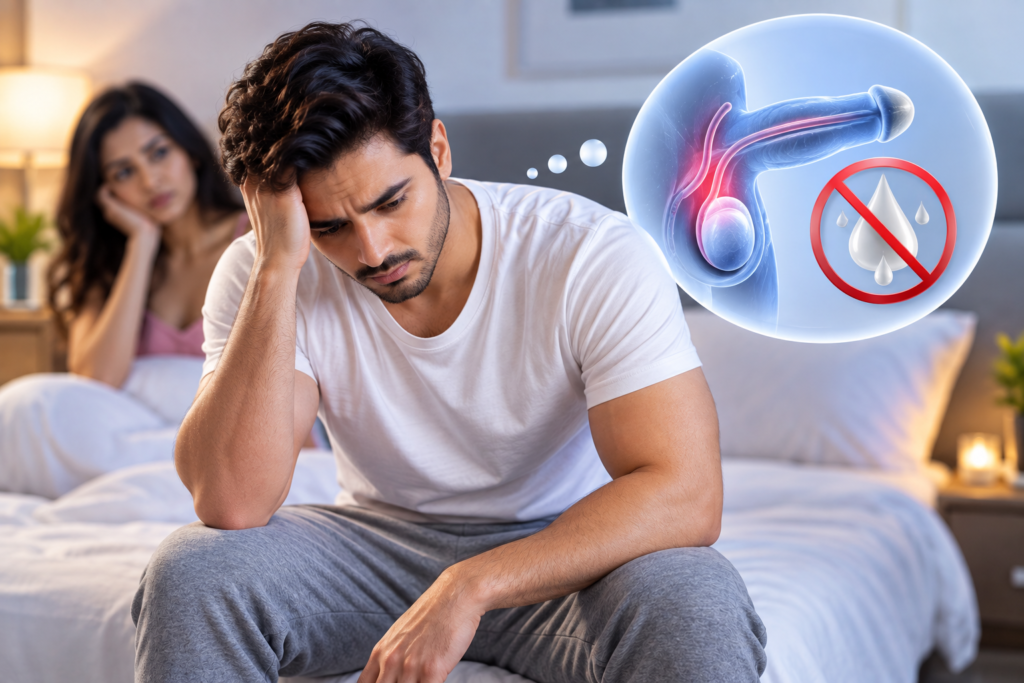
Anejaculation: Causes, Symptoms, Diagnosis & Treatment Anejaculation is a male sexual health condition in which a man is unable to release semen during sexual activity, even when he may experience sexual pleasure or orgasm. It can happen sometimes or may continue regularly. For some men, it can affect sexual confidence, relationships, and the ability to have a biological child. Anejaculation can have different causes. It may be related to certain medicines, diabetes, nerve problems, previous surgery, spinal cord injury, stress, anxiety, or other medical conditions. In some cases, the exact cause may not be immediately clear. The good news is that anejaculation can often be evaluated properly, and treatment depends on the reason behind the problem. If you are experiencing repeated problems with ejaculation, talking to a qualified healthcare professional can help identify the cause and suitable treatment options. What Is Anejaculation? Anejaculation means that semen does not come out of the penis during orgasm or sexual activity. Some men may still have normal sexual desire, erection, and orgasm but do not see any semen. In other cases, the problem may happen along with difficulty reaching orgasm or erectile problems. There are different forms of anejaculation. Some men have never been able to ejaculate, which is called primary anejaculation. Others were previously able to ejaculate but later lost this ability, which is called secondary anejaculation. It may also happen only in certain situations, such as during intercourse but not during masturbation. Anejaculation is different from every other ejaculation problem. For example, premature ejaculation means ejaculation happens sooner than desired, while delayed ejaculation means ejaculation takes a very long time. Anejaculation means ejaculation does not happen at all. Anejaculation vs. Retrograde Ejaculation Anejaculation and retrograde ejaculation can look similar because little or no semen may come out of the penis. However, they are not the same condition. In retrograde ejaculation, semen moves backward into the bladder instead of coming out through the penis. The man may still experience an orgasm, but little or no semen is visible. A urine test after orgasm can help a doctor identify whether sperm has entered the urine. In anejaculation, the problem is that ejaculation does not occur. Because these conditions have different causes and treatment approaches, proper evaluation is important. What Are the Symptoms of Anejaculation? The main symptom is simple: no semen comes out during ejaculation. Other symptoms can vary depending on the underlying cause. You may notice: Some men may have anejaculation only in particular situations. For example, they may be able to ejaculate during masturbation but not during intercourse. This type of situational problem can sometimes be connected with anxiety, stress, relationship concerns, or other psychological factors. What Causes Anejaculation? There is no single cause of anejaculation. The cause can be physical, neurological, medication-related, psychological, or a combination of different factors. 1. Nerve Problems Ejaculation depends on nerves working properly between the brain, spinal cord, and reproductive organs. Nerve damage can interfere with the normal ejaculation process. This can happen because of certain neurological conditions, spinal cord injuries, diabetes-related nerve damage, or injuries affecting the pelvic area. 2. Diabetes Long-term diabetes can affect nerves and blood vessels. When nerves involved in sexual function are affected, a man may develop problems with erection, ejaculation, or other sexual functions. If you have diabetes and notice a new ejaculation problem, it is important to discuss it with a healthcare professional. 3. Previous Surgery Some pelvic or prostate surgeries can affect the nerves or structures involved in ejaculation. Certain cancer treatments and radiation therapy can also affect sexual and reproductive function. 4. Spinal Cord Injury The nerves responsible for ejaculation are connected with the spinal cord. A spinal cord injury can therefore affect the normal ejaculation process. The effect depends on the location and severity of the injury. 5. Certain Medicines Some medicines can affect ejaculation. Antidepressants and some medicines used for urinary or prostate problems may contribute to ejaculation difficulties in some men. If you noticed the problem after starting a new medicine, do not stop the medicine on your own. Speak with your doctor first. Your healthcare professional can decide whether the medicine, dose, or treatment plan needs to be changed. 6. Stress and Anxiety Mental and emotional factors can also affect ejaculation. High stress, anxiety, fear of pregnancy, relationship problems, or sexual performance pressure may contribute to situational anejaculation. For some men, worrying about ejaculation can itself make sexual activity more stressful. 7. Neurological Conditions Conditions that affect the nervous system, including multiple sclerosis and Parkinson’s disease, can sometimes affect sexual function and ejaculation. 8. Problems With the Reproductive Tract In some cases, problems involving the ducts through which sperm and semen travel can affect ejaculation. An ejaculatory duct obstruction, for example, can affect semen and sperm movement and may be linked with fertility problems. Other symptoms can include low semen volume, pain, blood in semen, or urinary symptoms. Can Anejaculation Cause Infertility? Anejaculation can make it difficult for a man to have a biological child because semen containing sperm is not released during sexual activity. However, anejaculation does not always mean that a man has no sperm. Depending on the cause, sperm may sometimes be collected using medical techniques and then used with fertility treatments such as IVF or ICSI. This is why men who are experiencing anejaculation and are trying to have a baby should discuss the problem with a qualified fertility or sexual-health professional. How Is Anejaculation Diagnosed? The first step is usually a detailed discussion with a healthcare professional. Your doctor may ask about: A physical examination may also be performed. If you experience an orgasm without visible semen, a urine test after orgasm may help distinguish anejaculation from retrograde ejaculation. Finding sperm in the urine can suggest that semen has moved backward into the bladder. Depending on your symptoms and medical history, your healthcare professional may recommend additional tests. Anejaculation Treatment Treatment depends mainly on the underlying cause. There is no single treatment that works for every
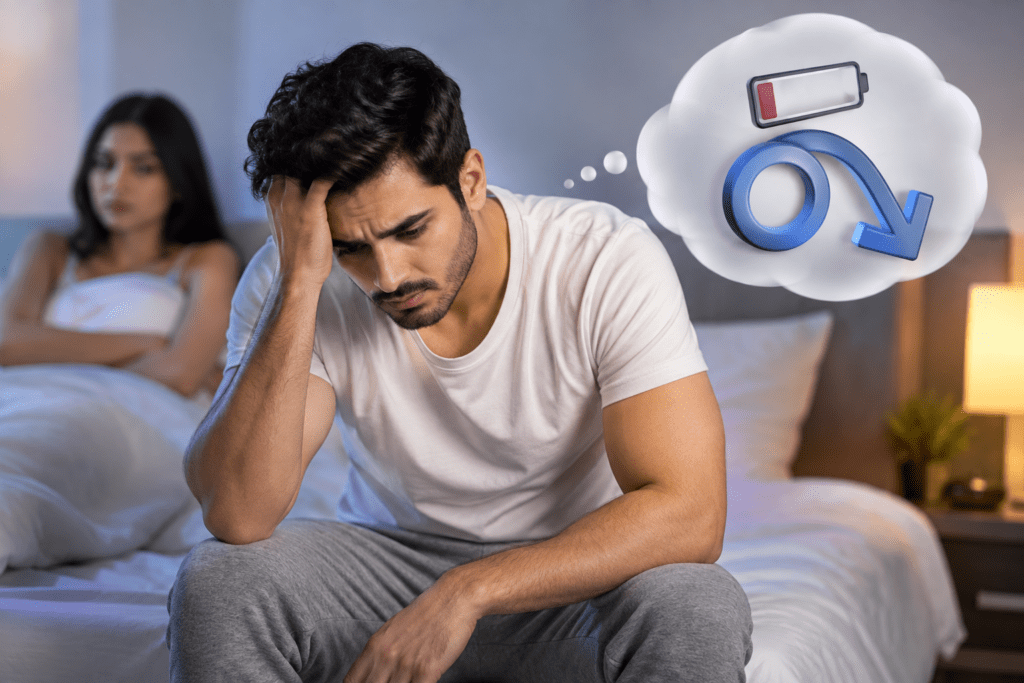
Performance Anxiety in Men: How to Overcome It Sexual performance anxiety is a common concern among men. A man may feel worried about whether he will be able to get an erection, keep an erection, satisfy his partner, or last long enough during sex. These thoughts can create stress and make it difficult to enjoy intimacy. Sometimes, the problem starts after one disappointing sexual experience. A man may then worry that the same thing will happen again. This worry can increase stress during the next sexual experience, which may make the problem happen again. In this way, anxiety and sexual difficulties can sometimes create a cycle. Performance anxiety does not always mean that there is a serious sexual health problem. Stress, tiredness, relationship concerns, low confidence, and fear of sexual failure can all affect sexual function. However, ongoing erection or ejaculation problems can also have physical causes, so it is important not to ignore symptoms that continue. What Is Sexual Performance Anxiety in Men? Sexual performance anxiety means feeling nervous, worried, or under pressure about sexual performance. A man may think: These thoughts can take attention away from intimacy and increase stress. Sexual arousal involves the brain, emotions, nerves, hormones, muscles, and blood flow. Anxiety and stress can interfere with this process and may contribute to erection problems. Common Signs of Performance Anxiety Performance anxiety can affect men in different ways. Common signs may include: Some men may have normal erections at other times but experience difficulty mainly when they are with a partner. This can happen when anxiety becomes closely linked with sexual activity. What Causes Performance Anxiety in Men? There is usually not one single cause. Different emotional, relationship, lifestyle, and sexual factors can contribute. 1. Fear of Sexual Failure One of the most common problems is the fear that sex will not go well. After one episode of erection difficulty or early ejaculation, a man may start thinking about it before the next sexual experience. This can increase anxiety and make it harder to stay relaxed. 2. Previous Sexual Problems A previous problem with erection, ejaculation, or sexual performance can reduce confidence. For example, if a man lost his erection once, he may become worried about losing it again. That worry itself can increase stress during future sexual activity. 3. Relationship Problems Communication problems, arguments, lack of emotional connection, or relationship stress can affect sexual confidence. Talking openly with a partner can sometimes reduce pressure and misunderstandings. Healthcare professionals may also recommend counseling when emotional or relationship factors are affecting sexual function. 4. Stress and Daily Pressure Work pressure, financial concerns, lack of sleep, family problems, and other daily stress can affect sexual health. When the mind is busy with stress, it can become difficult to focus on intimacy. 5. Low Self-Confidence Negative thoughts about the body, penis size, sexual ability, or past experiences may affect confidence. A healthy sexual relationship is not a test or competition. Feeling comfortable and connected with your partner is important. 6. Fear of Premature Ejaculation Some men become very worried about ejaculating sooner than they want. This worry may create a cycle of anxiety and rushed sexual activity. Anxiety about sexual performance can be associated with premature ejaculation. How Performance Anxiety Can Affect Erections Anxiety can affect sexual arousal and may contribute to erectile dysfunction. For example: Worry → Stress → Less relaxation → Difficulty with arousal or erection → More worry This cycle can become stronger when a man starts expecting the problem before sex. Erectile dysfunction can have both physical and psychological causes. Diabetes, high blood pressure, obesity, certain medicines, smoking, alcohol use, hormonal problems, anxiety, and stress are among the factors that may contribute. This is why it is important to understand the possible cause instead of assuming that every erection problem is caused only by anxiety. How to Overcome Performance Anxiety The good news is that performance anxiety can often be managed with the right approach. 1. Stop Treating Sex Like a Test Sex is not an exam that you have to pass. Putting pressure on yourself to perform perfectly can increase anxiety. Instead, try to focus on comfort, closeness, communication, and enjoying the experience. 2. Talk Openly With Your Partner Good communication can reduce pressure. You can tell your partner that you are feeling nervous or stressed. A supportive partner may help you feel more relaxed and less worried about performance. 3. Avoid Overthinking During Sex Try not to keep checking: “Is my erection strong enough?” “Am I lasting long enough?” “Is my partner satisfied?” Constantly checking your performance can take your attention away from intimacy. 4. Practice Relaxation and Deep Breathing Simple breathing exercises may help reduce stress. Take slow, comfortable breaths and allow your body to relax before and during intimacy. Stress-management techniques can be useful when anxiety is contributing to erectile problems. 5. Improve Your Lifestyle Healthy lifestyle habits can support sexual health. Helpful habits may include: These habits can also support overall cardiovascular and physical health, which is important because blood flow plays an important role in erections. 6. Do Not Compare Yourself With Others Sexual performance is different for every person. Comparing yourself with friends, online content, pornography, or unrealistic expectations can increase pressure and reduce confidence. Real-life intimacy does not have to match what you see online. 7. Give Yourself Time One difficult sexual experience does not automatically mean that you have a permanent sexual problem. Try not to predict failure before intimacy. Negative expectations can increase stress and may make sexual difficulties worse. 8. Talk to a Healthcare Professional If sexual performance problems continue, it is a good idea to speak with a qualified healthcare professional. A doctor may ask about your sexual health, medical history, medicines, stress, relationship concerns, and other symptoms. Depending on the situation, a physical examination or laboratory tests may also be recommended. Can Performance Anxiety Cause Erectile Dysfunction? Yes, anxiety and stress can cause or worsen erection problems in some men. However, erectile
seek help, and what to expect from a confidential sexual health consultation in Kanpur. Primary/related keywords: erectile dysfunction, erectile dysfunction treatment in Kanpur, ED causes, ED symptoms, sexologist in Kanpur, Ayurvedic sexual health consultation English Version Erectile dysfunction (ED) means having ongoing difficulty getting or keeping an erection firm enough for sexual activity. Having an erection problem once in a while can happen and does not always mean there is a medical condition. But when the problem keeps happening, affects confidence, or creates stress in a relationship, it is worth discussing with a healthcare professional. This guide explains ED in simple language, including common causes, symptoms, lifestyle factors, and what you can expect from a confidential sexual health consultation. What is erectile dysfunction? Erectile dysfunction is a repeated difficulty in getting or maintaining an erection. An erection depends on the brain, hormones, nerves, blood vessels, muscles and emotions working together. A problem in one or more of these areas can affect erections. Common symptoms of ED include:• Difficulty getting an erection.• Difficulty keeping an erection during sexual activity.• Erections that are not firm enough for comfortable sexual activity.• Reduced sexual desire in some people. Why does erectile dysfunction happen? ED can have more than one cause. Common physical factors include diabetes, high blood pressure, high cholesterol, obesity, heart and blood-vessel problems, some medicines, smoking, alcohol or drug use, sleep problems and certain hormonal conditions. Stress and emotional factors can also play a role. Anxiety about sexual performance, relationship stress, low confidence and other mental-health concerns may contribute to erection problems or make an existing problem worse. Sometimes physical and emotional factors work together. For example, a person may have a small physical problem that creates worry about losing an erection. That worry can then make it harder to stay relaxed during sexual activity. When should you take ED seriously? If erection problems happen repeatedly, it is sensible to seek professional advice rather than relying on self-treatment. ED can sometimes be linked with another health condition, so a proper assessment is useful. You should especially discuss the problem with a healthcare professional if you also have diabetes, heart disease, high blood pressure or other ongoing health concerns, or if you have additional sexual symptoms. What can help with erectile dysfunction? Treatment depends on the cause and the person’s overall health. A healthcare professional may review symptoms, health history, medicines, lifestyle factors and other relevant concerns before suggesting the next step. Depending on the situation, treatment may involve lifestyle changes, management of an underlying health problem, counselling or prescription medicines. Some people may need additional evaluation. For people looking for an Ayurvedic approach, a consultation can focus on understanding the individual’s concerns and health background before deciding what type of Ayurvedic guidance is appropriate. It is important to avoid products or medicines promoted as guaranteed cures without proper medical advice. Lifestyle habits that support sexual health Healthy daily habits can support overall health and may also be helpful when dealing with ED. These include regular physical activity, adequate sleep, a balanced diet, avoiding tobacco, limiting alcohol and managing stress. It is also useful to talk openly with your partner when relationship stress or performance anxiety is part of the problem. Sexual health concerns are common, and seeking professional help is a practical step rather than something to feel ashamed about. What happens during a sexual health consultation? A confidential consultation usually starts with a discussion about the main concern, how long it has been happening, general health, medicines and relevant lifestyle factors. Depending on the situation, the healthcare professional may recommend further evaluation or tests. At Dr. Roy Ayurvedic Clinic in Kanpur, Dr. Roy, BAMS, provides confidential, personalized consultation for men’s sexual and reproductive health concerns. Patients who can visit can come to the Kanpur clinic. Patients from other cities can also travel to Kanpur for consultation and treatment. For people who cannot visit Kanpur, online consultation is also available. Patients can discuss their concerns through audio or video consultation and may share relevant reports for review. Online consultation is arranged after the consultation fee is paid, and medicines, when advised, can be sent by courier across India. Final takeaway Erectile dysfunction is common and can have physical, emotional or combined causes. Repeated erection problems should not simply be ignored or treated with unverified products. Understanding the cause is an important part of choosing the right next step. If you are looking for confidential sexual health consultation in Kanpur, you can discuss your concerns with Dr. Roy, BAMS, at Dr. Roy Ayurvedic Clinic. Online consultation is available for patients who cannot visit the clinic.
Diabetes and sexual health are closely connected. Diabetes is not only a condition that affects blood sugar. Over time, diabetes can also affect blood vessels, nerves, hormones and overall health, which may influence sexual function in men. Some men with diabetes may experience erectile dysfunction, difficulty maintaining an erection, reduced sexual desire, ejaculation problems or fertility-related concerns. These problems can develop because of diabetes itself or because of other health and lifestyle factors that commonly occur along with diabetes. Sexual problems can be uncomfortable to discuss, but they are medical concerns and should not be ignored. Persistent changes in sexual function may sometimes indicate problems with blood vessels, nerves, hormones or other aspects of health. Understanding diabetes and sexual health can help men recognize possible warning signs and seek appropriate medical advice when needed. What Is the Connection Between Diabetes and Sexual Health? Diabetes can affect different systems of the body that are involved in normal sexual function. A healthy sexual response involves adequate blood circulation, functioning nerves, appropriate hormone levels and psychological wellbeing. Diabetes can affect one or more of these areas, particularly when blood glucose remains high for a long period. According to the National Institute of Diabetes and Digestive and Kidney Diseases (NIDDK), diabetes can contribute to sexual and bladder problems in men, including erectile dysfunction and ejaculation-related problems. Common sexual concerns that may occur in men with diabetes include: However, diabetes is not always the only cause. High blood pressure, high cholesterol, obesity, smoking, certain medicines, stress and other health conditions can also affect sexual function. This is why diabetes and sexual health should be considered together when a man develops persistent sexual problems. How Does Diabetes Affect Sex? Diabetes may affect sexual function through several physical and psychological pathways. 1. Diabetes and Nerve Damage Nerves play an important role in sexual arousal, erection and ejaculation. Long-term diabetes can cause diabetic neuropathy, a type of nerve damage that may interfere with normal nerve signals. If the nerves involved in sexual function are affected, communication between the brain and sexual organs may not work normally. As a result, some men may experience: Nerve problems are one important reason why diabetes and sexual health can become connected over time. 2. Reduced Blood Flow Adequate blood flow is essential for an erection. Diabetes can contribute to changes in blood vessels, especially when blood glucose remains poorly controlled for a long time. Problems with blood vessel function may reduce the ability of the penis to receive and maintain sufficient blood flow during sexual arousal. This can contribute to erectile dysfunction. Because blood vessel health is important for both cardiovascular health and erections, recurring erection problems should not simply be dismissed as a normal part of aging. 3. Hormonal Changes Hormones can also influence sexual desire and function. Some men with diabetes, particularly men who are overweight or have other metabolic health problems, may have lower testosterone levels. Low testosterone can be associated with symptoms such as: However, low sexual desire does not automatically mean that testosterone is low. Stress, relationship concerns, depression, medicines, poor sleep and other health conditions can also reduce sexual desire. A healthcare professional can determine whether hormone testing is appropriate. 4. Psychological and Emotional Factors Physical health is only one part of diabetes and sexual health. Living with diabetes can sometimes create stress about health, medicines, blood sugar levels or future complications. Repeated sexual difficulties may also cause embarrassment, frustration or performance anxiety. For example, a man who experiences erection difficulty once may become worried that it will happen again. That worry can itself interfere with sexual arousal and confidence. Relationship difficulties and emotional stress can also affect sexual desire and sexual performance. Diabetes and Erectile Dysfunction Erectile dysfunction, commonly called ED, means having difficulty getting or keeping an erection firm enough for satisfactory sexual activity. Diabetes is a recognized risk factor for erectile dysfunction. NIDDK reports that men with diabetes are more than three times as likely to develop ED compared with men without diabetes, and ED can occur earlier in men with diabetes. The relationship between diabetes and erectile dysfunction may involve several factors, including: Erectile dysfunction should therefore not automatically be blamed on diabetes alone. A proper evaluation can help determine whether diabetes, cardiovascular health, hormones, medicines, psychological factors or another condition may be contributing. What Are the Symptoms of Diabetes-Related Erectile Dysfunction? The symptoms may vary from one person to another. Common signs include: Having erection difficulty occasionally does not necessarily mean that a person has erectile dysfunction. However, if the problem occurs repeatedly or is becoming more frequent, medical evaluation can be useful. Men who have diabetes and notice new erection problems should discuss them with a healthcare professional rather than assuming that nothing can be done. Can Diabetes Cause Low Sex Drive? Diabetes can be associated with reduced sexual desire, but low sex drive can have many different causes. Possible contributing factors include: Therefore, diabetes and sexual health involve much more than erection problems. If a man notices a persistent reduction in sexual desire, it is useful to look at the overall health picture rather than assuming that diabetes is automatically responsible. Diabetes and Ejaculation Problems Diabetes can also affect ejaculation. Nerve damage may interfere with the normal processes involved in ejaculation. In some men, diabetes may contribute to retrograde ejaculation. Retrograde ejaculation occurs when semen enters the bladder instead of coming out normally through the penis during ejaculation. Possible symptoms may include: Ejaculation problems can have multiple causes, so proper evaluation is important. This is another area where understanding diabetes and sexual health can help men recognize that sexual symptoms may sometimes be related to an underlying medical condition. Can Diabetes Affect Male Fertility? Diabetes may also be associated with male fertility concerns. Research has identified possible sperm-related problems in some men with diabetes. Diabetes-related nerve problems and retrograde ejaculation may also interfere with normal reproduction. However, fertility is complex and cannot be assessed from diabetes status alone.
Kegel exercises are simple pelvic floor exercises that men can do at home without any special equipment. These exercises help strengthen the muscles at the bottom of the pelvis, which play an important role in bladder control, bowel control, erections and ejaculation. Many men know about Kegel exercises but are not sure how to do them correctly or whether they can really help with sexual health. The important thing to understand is that Kegel exercises are not a quick fix or a guaranteed treatment for every sexual problem. They are exercises designed to strengthen and improve control of the pelvic floor muscles. For some men, regular pelvic floor exercises may help improve urinary control and may support certain aspects of sexual function, including ejaculation control. They are also commonly recommended after some prostate procedures to help improve urinary control. What Are Kegel Exercises for Men? Kegel exercises are exercises that tighten and relax the pelvic floor muscles. Your pelvic floor is a group of muscles and tissues that stretches from the pubic bone at the front to the tailbone at the back. These muscles support the bladder and bowel and also play a role in sexual function. When these muscles are weak or not working properly, some men may experience problems such as urine leakage, difficulty controlling bowel movements or certain sexual-function problems. Kegel exercises are designed to make these muscles stronger and improve your ability to control them. Why Are Pelvic Floor Muscles Important for Men? The pelvic floor muscles do more than control urine. They help: Because these muscles are involved in several important functions, keeping them strong and healthy can be useful for many men. Benefits of Kegel Exercises for Men Kegel exercises may provide several benefits when they are done correctly and regularly. 1. Better Bladder Control One of the main reasons men are advised to do pelvic floor exercises is to improve bladder control. Weak pelvic floor muscles can contribute to urine leakage, especially when coughing, sneezing, lifting something heavy or exercising. Strengthening these muscles may help improve control and reduce leakage in suitable cases. 2. Support After Prostate Surgery Men who have undergone certain prostate procedures may be advised to perform pelvic floor exercises. Strengthening the pelvic floor can help improve urinary control during recovery. A healthcare professional can provide a suitable exercise plan based on the individual’s condition. 3. Better Ejaculation Control The pelvic floor muscles are involved in ejaculation. Regular pelvic floor training may help some men develop better awareness and control of these muscles. Some clinical guidance also notes a possible benefit for ejaculation control and sexual function. However, Kegel exercises should not be presented as a guaranteed cure for premature ejaculation. Premature ejaculation can have different physical, psychological and relationship-related factors, so some men may need a more complete evaluation. 4. Support Sexual Function The pelvic floor muscles contribute to sexual function. Strengthening these muscles may support erection control and other aspects of sexual function. Some men may also notice improved awareness of the muscles involved during sexual activity. This does not mean that Kegel exercises can treat every case of erectile dysfunction. Erectile problems can have many causes, including medical conditions, medicines, blood-flow problems, stress and anxiety. 5. Improved Pelvic Muscle Strength Like other muscles in the body, pelvic floor muscles can become weak when they are not used properly. Regular, controlled exercises can help build strength and improve muscle awareness over time. Results are usually gradual rather than immediate. How to Find Your Pelvic Floor Muscles Before starting Kegel exercises, you need to know which muscles to use. One simple way is to imagine that you are trying to stop passing gas and stop urine at the same time. You should feel a gentle tightening and lifting sensation around the pelvic area. Another sign that you are using the correct muscles is a slight upward movement around the base of the penis and scrotum. Try to keep your stomach, thighs and buttocks relaxed. You should also continue breathing normally. Important Tip Do not regularly practice Kegels by stopping your urine stream while you are actually urinating. The urine-stop method can be useful occasionally to help identify the correct muscles, but repeatedly stopping and starting urine flow can interfere with normal bladder emptying. How to Do Kegel Exercises for Men Once you have identified the correct muscles, you can start with a simple routine. Step 1: Get Comfortable You can perform Kegel exercises while lying down, sitting or standing. If you are a beginner, sitting or lying down may make it easier to focus on the pelvic floor muscles. Step 2: Tighten the Pelvic Floor Gently squeeze and lift your pelvic floor muscles. Do not tighten your stomach, thighs or buttocks. Step 3: Hold the Contraction Start by holding the contraction for about 3 to 5 seconds. If this feels difficult, hold for a shorter time. As your muscles become stronger, you can gradually work toward longer contractions. Step 4: Relax Completely After each contraction, relax the muscles for about the same amount of time. Relaxation is important because constantly keeping the pelvic floor tight can create muscle tension. Step 5: Repeat A common starting approach is around 10 contractions in one session. Some clinical guidance recommends working toward 10 repetitions per session and multiple sessions during the day, but the right routine can vary from person to person. The goal is not to do as many Kegels as possible. Correct technique and regular practice are more important than doing a large number of repetitions. How Often Should Men Do Kegel Exercises? Consistency is more important than doing a very large number of exercises at once. Many pelvic-floor programs use several short sessions during the day. For example, some guidance recommends around 10 contractions per session, repeated several times throughout the day. Start slowly if you are new to these exercises. Your muscles need time to become stronger, just like any other muscle group. Some men may notice
Anejaculation: Causes, Symptoms, Diagnosis & Treatment Anejaculation is a male sexual health condition in which a man is unable to release semen during sexual activity, even when he may experience sexual pleasure or orgasm. It can happen sometimes or may continue regularly. For some men, it can affect sexual confidence, relationships, and the ability to have a biological child. Anejaculation can have different causes. It may be related to certain medicines, diabetes, nerve problems, previous surgery, spinal cord injury, stress, anxiety, or other medical conditions. In some cases, the exact cause may not be immediately clear. The good news is that anejaculation can often be evaluated properly, and treatment depends on the reason behind the problem. If you are experiencing repeated problems with ejaculation, talking to a qualified healthcare professional can help identify the cause and suitable treatment options. What Is Anejaculation? Anejaculation means that semen does not come out of the penis during orgasm or sexual activity. Some men may still have normal sexual desire, erection, and orgasm but do not see any semen. In other cases, the problem may happen along with difficulty reaching orgasm or erectile problems. There are different forms of anejaculation. Some men have never been able to ejaculate, which is called primary anejaculation. Others were previously able to ejaculate but later lost this ability, which is called secondary anejaculation. It may also happen only in certain situations, such as during intercourse but not during masturbation. Anejaculation is different from every other ejaculation problem. For example, premature ejaculation means ejaculation happens sooner than desired, while delayed ejaculation means ejaculation takes a very long time. Anejaculation means ejaculation does not happen at all. Anejaculation vs. Retrograde Ejaculation Anejaculation and retrograde ejaculation can look similar because little or no semen may come out of the penis. However, they are not the same condition. In retrograde ejaculation, semen moves backward into the bladder instead of coming out through the penis. The man may still experience an orgasm, but little or no semen is visible. A urine test after orgasm can help a doctor identify whether sperm has entered the urine. In anejaculation, the problem is that ejaculation does not occur. Because these conditions have different causes and treatment approaches, proper evaluation is important. What Are the Symptoms of Anejaculation? The main symptom is simple: no semen comes out during ejaculation. Other symptoms can vary depending on the underlying cause. You may notice: Some men may have anejaculation only in particular situations. For example, they may be able to ejaculate during masturbation but not during intercourse. This type of situational problem can sometimes be connected with anxiety, stress, relationship concerns, or other psychological factors. What Causes Anejaculation? There is no single cause of anejaculation. The cause can be physical, neurological, medication-related, psychological, or a combination of different factors. 1. Nerve Problems Ejaculation depends on nerves working properly between the brain, spinal cord, and reproductive organs. Nerve damage can interfere with the normal ejaculation process. This can happen because of certain neurological conditions, spinal cord injuries, diabetes-related nerve damage, or injuries affecting the pelvic area. 2. Diabetes Long-term diabetes can affect nerves and blood vessels. When nerves involved in sexual function are affected, a man may develop problems with erection, ejaculation, or other sexual functions. If you have diabetes and notice a new ejaculation problem, it is important to discuss it with a healthcare professional. 3. Previous Surgery Some pelvic or prostate surgeries can affect the nerves or structures involved in ejaculation. Certain cancer treatments and radiation therapy can also affect sexual and reproductive function. 4. Spinal Cord Injury The nerves responsible for ejaculation are connected with the spinal cord. A spinal cord injury can therefore affect the normal ejaculation process. The effect depends on the location and severity of the injury. 5. Certain Medicines Some medicines can affect ejaculation. Antidepressants and some medicines used for urinary or prostate problems may contribute to ejaculation difficulties in some men. If you noticed the problem after starting a new medicine, do not stop the medicine on your own. Speak with your doctor first. Your healthcare professional can decide whether the medicine, dose, or treatment plan needs to be changed. 6. Stress and Anxiety Mental and emotional factors can also affect ejaculation. High stress, anxiety, fear of pregnancy, relationship problems, or sexual performance pressure may contribute to situational anejaculation. For some men, worrying about ejaculation can itself make sexual activity more stressful. 7. Neurological Conditions Conditions that affect the nervous system, including multiple sclerosis and Parkinson’s disease, can sometimes affect sexual function and ejaculation. 8. Problems With the Reproductive Tract In some cases, problems involving the ducts through which sperm and semen travel can affect ejaculation. An ejaculatory duct obstruction, for example, can affect semen and sperm movement and may be linked with fertility problems. Other symptoms can include low semen volume, pain, blood in semen, or urinary symptoms. Can Anejaculation Cause Infertility? Anejaculation can make it difficult for a man to have a biological child because semen containing sperm is not released during sexual activity. However, anejaculation does not always mean that a man has no sperm. Depending on the cause, sperm may sometimes be collected using medical techniques and then used with fertility treatments such as IVF or ICSI. This is why men who are experiencing anejaculation and are trying to have a baby should discuss the problem with a qualified fertility or sexual-health professional. How Is Anejaculation Diagnosed? The first step is usually a detailed discussion with a healthcare professional. Your doctor may ask about: A physical examination may also be performed. If you experience an orgasm without visible semen, a urine test after orgasm may help distinguish anejaculation from retrograde ejaculation. Finding sperm in the urine can suggest that semen has moved backward into the bladder. Depending on your symptoms and medical history, your healthcare professional may recommend additional tests. Anejaculation Treatment Treatment depends mainly on the underlying cause. There is no single treatment that works for every
Performance Anxiety in Men: How to Overcome It Sexual performance anxiety is a common concern among men. A man may feel worried about whether he will be able to get an erection, keep an erection, satisfy his partner, or last long enough during sex. These thoughts can create stress and make it difficult to enjoy intimacy. Sometimes, the problem starts after one disappointing sexual experience. A man may then worry that the same thing will happen again. This worry can increase stress during the next sexual experience, which may make the problem happen again. In this way, anxiety and sexual difficulties can sometimes create a cycle. Performance anxiety does not always mean that there is a serious sexual health problem. Stress, tiredness, relationship concerns, low confidence, and fear of sexual failure can all affect sexual function. However, ongoing erection or ejaculation problems can also have physical causes, so it is important not to ignore symptoms that continue. What Is Sexual Performance Anxiety in Men? Sexual performance anxiety means feeling nervous, worried, or under pressure about sexual performance. A man may think: These thoughts can take attention away from intimacy and increase stress. Sexual arousal involves the brain, emotions, nerves, hormones, muscles, and blood flow. Anxiety and stress can interfere with this process and may contribute to erection problems. Common Signs of Performance Anxiety Performance anxiety can affect men in different ways. Common signs may include: Some men may have normal erections at other times but experience difficulty mainly when they are with a partner. This can happen when anxiety becomes closely linked with sexual activity. What Causes Performance Anxiety in Men? There is usually not one single cause. Different emotional, relationship, lifestyle, and sexual factors can contribute. 1. Fear of Sexual Failure One of the most common problems is the fear that sex will not go well. After one episode of erection difficulty or early ejaculation, a man may start thinking about it before the next sexual experience. This can increase anxiety and make it harder to stay relaxed. 2. Previous Sexual Problems A previous problem with erection, ejaculation, or sexual performance can reduce confidence. For example, if a man lost his erection once, he may become worried about losing it again. That worry itself can increase stress during future sexual activity. 3. Relationship Problems Communication problems, arguments, lack of emotional connection, or relationship stress can affect sexual confidence. Talking openly with a partner can sometimes reduce pressure and misunderstandings. Healthcare professionals may also recommend counseling when emotional or relationship factors are affecting sexual function. 4. Stress and Daily Pressure Work pressure, financial concerns, lack of sleep, family problems, and other daily stress can affect sexual health. When the mind is busy with stress, it can become difficult to focus on intimacy. 5. Low Self-Confidence Negative thoughts about the body, penis size, sexual ability, or past experiences may affect confidence. A healthy sexual relationship is not a test or competition. Feeling comfortable and connected with your partner is important. 6. Fear of Premature Ejaculation Some men become very worried about ejaculating sooner than they want. This worry may create a cycle of anxiety and rushed sexual activity. Anxiety about sexual performance can be associated with premature ejaculation. How Performance Anxiety Can Affect Erections Anxiety can affect sexual arousal and may contribute to erectile dysfunction. For example: Worry → Stress → Less relaxation → Difficulty with arousal or erection → More worry This cycle can become stronger when a man starts expecting the problem before sex. Erectile dysfunction can have both physical and psychological causes. Diabetes, high blood pressure, obesity, certain medicines, smoking, alcohol use, hormonal problems, anxiety, and stress are among the factors that may contribute. This is why it is important to understand the possible cause instead of assuming that every erection problem is caused only by anxiety. How to Overcome Performance Anxiety The good news is that performance anxiety can often be managed with the right approach. 1. Stop Treating Sex Like a Test Sex is not an exam that you have to pass. Putting pressure on yourself to perform perfectly can increase anxiety. Instead, try to focus on comfort, closeness, communication, and enjoying the experience. 2. Talk Openly With Your Partner Good communication can reduce pressure. You can tell your partner that you are feeling nervous or stressed. A supportive partner may help you feel more relaxed and less worried about performance. 3. Avoid Overthinking During Sex Try not to keep checking: “Is my erection strong enough?” “Am I lasting long enough?” “Is my partner satisfied?” Constantly checking your performance can take your attention away from intimacy. 4. Practice Relaxation and Deep Breathing Simple breathing exercises may help reduce stress. Take slow, comfortable breaths and allow your body to relax before and during intimacy. Stress-management techniques can be useful when anxiety is contributing to erectile problems. 5. Improve Your Lifestyle Healthy lifestyle habits can support sexual health. Helpful habits may include: These habits can also support overall cardiovascular and physical health, which is important because blood flow plays an important role in erections. 6. Do Not Compare Yourself With Others Sexual performance is different for every person. Comparing yourself with friends, online content, pornography, or unrealistic expectations can increase pressure and reduce confidence. Real-life intimacy does not have to match what you see online. 7. Give Yourself Time One difficult sexual experience does not automatically mean that you have a permanent sexual problem. Try not to predict failure before intimacy. Negative expectations can increase stress and may make sexual difficulties worse. 8. Talk to a Healthcare Professional If sexual performance problems continue, it is a good idea to speak with a qualified healthcare professional. A doctor may ask about your sexual health, medical history, medicines, stress, relationship concerns, and other symptoms. Depending on the situation, a physical examination or laboratory tests may also be recommended. Can Performance Anxiety Cause Erectile Dysfunction? Yes, anxiety and stress can cause or worsen erection problems in some men. However, erectile
seek help, and what to expect from a confidential sexual health consultation in Kanpur. Primary/related keywords: erectile dysfunction, erectile dysfunction treatment in Kanpur, ED causes, ED symptoms, sexologist in Kanpur, Ayurvedic sexual health consultation English Version Erectile dysfunction (ED) means having ongoing difficulty getting or keeping an erection firm enough for sexual activity. Having an erection problem once in a while can happen and does not always mean there is a medical condition. But when the problem keeps happening, affects confidence, or creates stress in a relationship, it is worth discussing with a healthcare professional. This guide explains ED in simple language, including common causes, symptoms, lifestyle factors, and what you can expect from a confidential sexual health consultation. What is erectile dysfunction? Erectile dysfunction is a repeated difficulty in getting or maintaining an erection. An erection depends on the brain, hormones, nerves, blood vessels, muscles and emotions working together. A problem in one or more of these areas can affect erections. Common symptoms of ED include:• Difficulty getting an erection.• Difficulty keeping an erection during sexual activity.• Erections that are not firm enough for comfortable sexual activity.• Reduced sexual desire in some people. Why does erectile dysfunction happen? ED can have more than one cause. Common physical factors include diabetes, high blood pressure, high cholesterol, obesity, heart and blood-vessel problems, some medicines, smoking, alcohol or drug use, sleep problems and certain hormonal conditions. Stress and emotional factors can also play a role. Anxiety about sexual performance, relationship stress, low confidence and other mental-health concerns may contribute to erection problems or make an existing problem worse. Sometimes physical and emotional factors work together. For example, a person may have a small physical problem that creates worry about losing an erection. That worry can then make it harder to stay relaxed during sexual activity. When should you take ED seriously? If erection problems happen repeatedly, it is sensible to seek professional advice rather than relying on self-treatment. ED can sometimes be linked with another health condition, so a proper assessment is useful. You should especially discuss the problem with a healthcare professional if you also have diabetes, heart disease, high blood pressure or other ongoing health concerns, or if you have additional sexual symptoms. What can help with erectile dysfunction? Treatment depends on the cause and the person’s overall health. A healthcare professional may review symptoms, health history, medicines, lifestyle factors and other relevant concerns before suggesting the next step. Depending on the situation, treatment may involve lifestyle changes, management of an underlying health problem, counselling or prescription medicines. Some people may need additional evaluation. For people looking for an Ayurvedic approach, a consultation can focus on understanding the individual’s concerns and health background before deciding what type of Ayurvedic guidance is appropriate. It is important to avoid products or medicines promoted as guaranteed cures without proper medical advice. Lifestyle habits that support sexual health Healthy daily habits can support overall health and may also be helpful when dealing with ED. These include regular physical activity, adequate sleep, a balanced diet, avoiding tobacco, limiting alcohol and managing stress. It is also useful to talk openly with your partner when relationship stress or performance anxiety is part of the problem. Sexual health concerns are common, and seeking professional help is a practical step rather than something to feel ashamed about. What happens during a sexual health consultation? A confidential consultation usually starts with a discussion about the main concern, how long it has been happening, general health, medicines and relevant lifestyle factors. Depending on the situation, the healthcare professional may recommend further evaluation or tests. At Dr. Roy Ayurvedic Clinic in Kanpur, Dr. Roy, BAMS, provides confidential, personalized consultation for men’s sexual and reproductive health concerns. Patients who can visit can come to the Kanpur clinic. Patients from other cities can also travel to Kanpur for consultation and treatment. For people who cannot visit Kanpur, online consultation is also available. Patients can discuss their concerns through audio or video consultation and may share relevant reports for review. Online consultation is arranged after the consultation fee is paid, and medicines, when advised, can be sent by courier across India. Final takeaway Erectile dysfunction is common and can have physical, emotional or combined causes. Repeated erection problems should not simply be ignored or treated with unverified products. Understanding the cause is an important part of choosing the right next step. If you are looking for confidential sexual health consultation in Kanpur, you can discuss your concerns with Dr. Roy, BAMS, at Dr. Roy Ayurvedic Clinic. Online consultation is available for patients who cannot visit the clinic.